
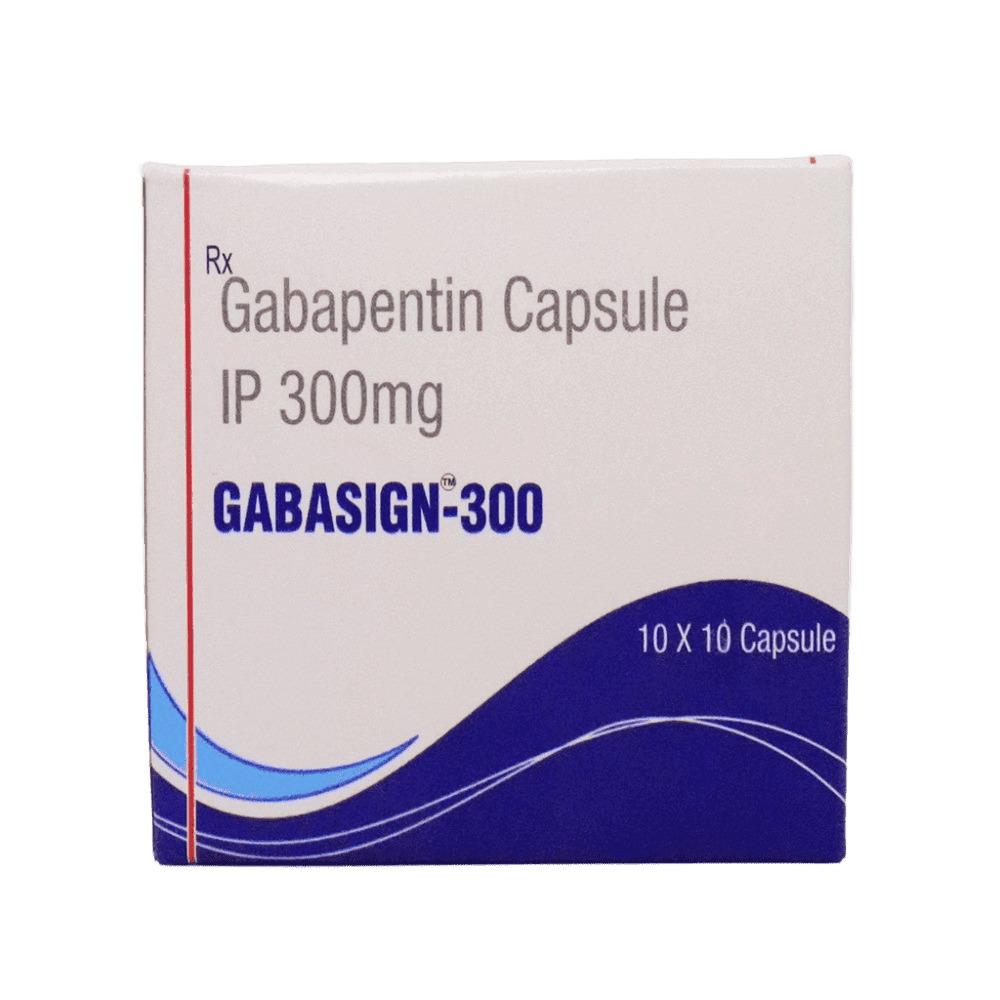
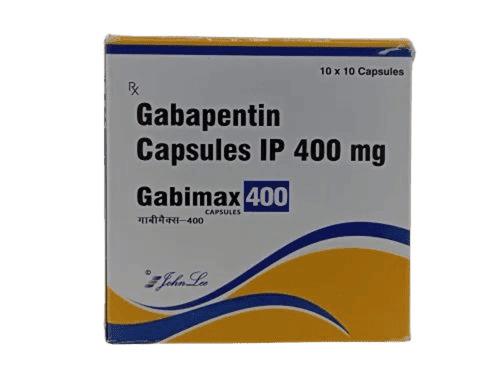
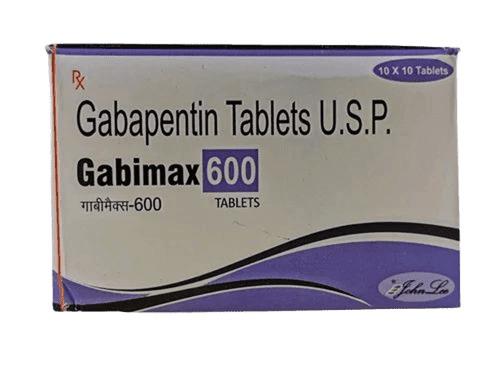
Gabapentin is a synthetic analog of gamma-aminobutyric acid (GABA), originally developed as an antiepileptic drug (AED). Though structurally related to GABA, gabapentin does not bind to GABA receptors; instead, it modulates voltage-gated calcium channels by binding to the α2δ subunit. This results in decreased excitatory neurotransmitter release, making it effective in a range of neurological and psychiatric disorders.
Chemical Information
- IUPAC Name: 1-(aminomethyl)cyclohexaneacetic acid
- Molecular Formula: C9H17NO2
- Molecular Weight: 171.24 g/mol
- CAS Number: 60142-96-3
- Drug Class: Anticonvulsant, Neuromodulator
Pharmacodynamics
Gabapentin does not directly modulate GABA receptors but exerts its effects by binding with high affinity to the α2δ-1 and α2δ-2 subunits of voltage-gated calcium channels (VGCCs). This leads to:
- Reduced calcium influx in neurons
- Inhibition of excitatory neurotransmitters like glutamate and substance P
- Modulation of pain signaling in the spinal cord
Indications
Gabapentin is approved or widely used off-label for:
- Epilepsy (partial seizures, adjunct therapy)
- Neuropathic pain (postherpetic neuralgia, diabetic neuropathy)
- Generalized anxiety disorder (off-label)
- Fibromyalgia
- Alcohol withdrawal syndrome
- Restless Legs Syndrome (off-label)
Dosage and Administration
Typical adult dosages vary by condition:
- Epilepsy: 900–1800 mg/day, in 3 divided doses
- Neuropathic Pain: Start at 300 mg once daily, titrate to 1800–3600 mg/day
- Anxiety (off-label): 300–1200 mg/day
Titration is critical to minimize side effects, and abrupt discontinuation should be avoided to prevent withdrawal symptoms or seizure rebound.
Pharmacokinetics
- Absorption: Bioavailability is dose-dependent (60% at 300 mg, drops with higher doses)
- Distribution: Not significantly protein-bound; crosses the blood-brain barrier
- Metabolism: Not metabolized by the liver
- Excretion: Renal elimination; unchanged
- Half-life: ~5–7 hours
Side Effects
Common:
- Drowsiness
- Dizziness
- Ataxia
- Fatigue
- Peripheral edema
Rare:
- Mood changes
- Suicidal ideation
- Severe allergic reactions (DRESS syndrome)
Gabapentin may cause dependence in some individuals, especially at high doses or with long-term use. Caution is advised in individuals with a history of substance misuse.
Harm Reduction & Safety
- Avoid combining with other CNS depressants (e.g., alcohol, benzodiazepines)
- Renal function should be assessed regularly in chronic users
- Tapering is necessary to avoid withdrawal symptoms
- May impair cognitive and motor skills—caution with driving or machinery
Legal Status
- USA: Prescription-only, Schedule V in some states due to abuse potential
- EU: Prescription-only, not scheduled
- UK: Controlled (Class C, Schedule 3) due to rising misuse
Research and Emerging Uses
Gabapentin continues to be studied in:
- Chronic cough
- Migraine prophylaxis
- Social anxiety disorder
- PTSD-related sleep disturbances
Its role in modulating central sensitization makes it a candidate in multiple pain-related and psychiatric conditions.
Conclusion
Gabapentin is a well-established neuromodulatory agent with a broad therapeutic range. Despite its relatively benign profile, responsible use and harm reduction are essential due to potential misuse and withdrawal risks. For researchers, it offers a powerful tool for studying calcium channel modulation and neuropathic pathways.
🇪🇺 Gabapentin Legal Status in Europe (2025 Overview)
Gabapentin is a GABA analog anticonvulsant, primarily prescribed for epilepsy, neuropathic pain, and anxiety. It is not a benzodiazepine or opioid, but it acts on calcium channels, and its off-label use has raised concerns over abuse and dependency.
As a result, its legal status varies significantly across Europe — in some countries it’s prescription-only, while in others it’s been recently reclassified as a controlled substance due to rising misuse.
✅ Prescription-Only (Not Controlled)
In these countries, Gabapentin is a prescription drug, but not classified as a narcotic or psychotropic substance. It’s regulated under standard medical laws:
- 🇫🇷 France
- 🇩🇪 Germany
- 🇪🇸 Spain
- 🇵🇹 Portugal
- 🇧🇪 Belgium
- 🇮🇹 Italy
- 🇨🇿 Czech Republic
- 🇸🇪 Sweden
- 🇫🇮 Finland
- 🇭🇷 Croatia
- 🇱🇹 Lithuania
- 🇪🇪 Estonia
- 🇦🇹 Austria
- 🇩🇰 Denmark
- 🇳🇱 Netherlands
In these cases:
- Gabapentin is prescribed and dispensed like a typical anticonvulsant.
- There is no need for special narcotic prescription forms.
- Monitoring may still exist for suspected abuse cases (e.g. France’s secure prescription tracking system).
🔒 Controlled Substance / Misuse Risk Classification
Some countries have reclassified Gabapentin as a controlled substance, citing growing recreational misuse, especially in combination with opioids or benzodiazepines.
Countries with tightened control:
| Country | Status |
|---|---|
| 🇬🇧 United Kingdom | Since 2019, Gabapentin is a Class C / Schedule 3 controlled substance under the Misuse of Drugs Act. Requires secure prescription and is subject to dispensing restrictions. |
| 🇮🇪 Ireland | Classified under the Misuse of Drugs (Amendment) Regulations 2020. Requires secure prescription and careful monitoring. |
| 🇳🇴 Norway | Classified as a controlled drug under national narcotics legislation. Prescription-only with strict dispensing controls. |
| 🇨🇭 Switzerland | Under surveillance but not yet scheduled; some cantons restrict use regionally. |
| 🇸🇰 Slovakia | Moved to controlled substances list due to high misuse rates. |
| 🇭🇺 Hungary | Controlled; prescription required and monitored. |
⚠️ Import, Possession, and Travel
- Illegal to import or possess Gabapentin without a prescription in any EU country.
- In countries where it is controlled, you must carry a Schengen narcotic certificate or doctor’s letter when traveling with it.
- Customs seizures have increased in countries with tightened regulations (e.g., UK, Ireland, Norway).
📝 Schengen narcotic travel certificate info:
https://www.schengenvisainfo.com/schengen-certificate/
💊 Key Risks
- Gabapentin is often misused recreationally for sedative or euphoric effects.
- Can potentiate opioids and benzodiazepines — leading to increased overdose risk.
- Despite being unscheduled in some countries, doctors may still restrict or monitor its use, especially for non-neurological indications.
🧠 Summary Table
| Legal Status | Countries |
|---|---|
| ✅ Prescription-only (not scheduled) | 🇫🇷 🇩🇪 🇪🇸 🇵🇹 🇧🇪 🇮🇹 🇳🇱 🇨🇿 🇸🇪 🇫🇮 🇩🇰 🇦🇹 🇱🇹 🇪🇪 etc. |
| 🔒 Controlled substance | 🇬🇧 🇮🇪 🇳🇴 🇭🇺 🇸🇰 🇨🇭 (regional) |
Floki (verified owner) –
The product was delivered as advertised! Gabapentin did wonders for my tight muscles! Preferable to Pregabalin or Phenibut for anyone only seeking muscle relaxing effects! Gabapentin’s short halflife makes it perfect for relaxing with a (rather) clear head on the weekend or after a stressful day at night. Due to Gabapentins saturable absorption and also slow absorption it is hard to abuse on its own which certain groups of people might really appreciate. Sleep is absolutely perfect, but after four days of consecutive nightly use, one slept bad on the fourth day without the gabapentin (falling asleep took longer than usual, but one felt very calm and sleepy and peaceful in the bed and woke up early (an hour before ones alarm clock went off) and could only try to fall back asleep (but still calm)), on the fifth day it was back to normal. There were no other rebound effects like tighter muscles. One could probably work out on gabapentin but one wouldn’t advise it (probably better to stick to taking it only after working out (if at all)). Drinking water is very important to avoid headaches and side effects!
Gabapentin is absorbed in the small intestine via the L-amino acid transport system (LAT1), which is presumably why its absorption is increased when taking with a high protein meal, and NOT like many people online claiming that a fatty meal increases Gabapentin’s absorption. One can attest to that, but it is not that significant, presumably the high protein meal also leads to a FASTER absorption which is much more noticeable.
Rechemco –
Hello and thank you for your detailed comment!
You raise several interesting points about Gabapentin (and how it compares to Pregabalin / Phenibut) — here’s a summary of what the literature supports and where the evidence is less certain:
✅ What the evidence supports
Gabapentin absorption is indeed saturable in the small intestine (meaning as you increase dose the fraction absorbed drops).
A study found that when a high-protein meal (80 g protein) was consumed before gabapentin, the Cₘₐₓ increased by ~36%, and AUC increased ~11% (though the latter was not statistically significant).
Another study mixing gabapentin capsule contents with high-protein pudding (milk-based) showed modest increases in Cₘₐₓ/AUC vs fasted state, suggesting that a protein-rich vehicle may enhance absorption somewhat.
Food in general (especially a high-fat or high-calorie meal) increases exposure for the pro-drug Gabapentin enacarbil (a different formulation) significantly: e.g., AUC increases by 23–40% when taken with low/medium/high fat meal vs fasted.
⚠️ Where the comment’s specifics don’t fully align with the evidence
The commenter stated that gabapentin is absorbed via the “L-amino acid transport system (LAT1)” and that a high-protein meal increases absorption, whereas fatty meal does not. The evidence shows that gabapentin is transported by an amino acid transporter (system-L / LAT) in in-vitro/in-vivo models.
However, the claim that a fatty meal does not increase absorption is not correct for all formulations: For the pro-drug gabapentin enacarbil, high-fat meals significantly increased exposure.
For standard immediate-release gabapentin, some studies found little significant effect of a normal meal vs fasted state (or small effect). For example: opening capsule contents and mixing with food vehicles of various composition did not yield statistically significant AUC changes in one study (though a protein‐rich vehicle did show a moderate increase in Cₘₐₓ).
So, the statement “NOT like many people online claiming that a fatty meal increases Gabapentin’s absorption” is at best an oversimplification: it depends on formulation, meal composition, dose, etc.
🔍 My summary statement
Your experience and hypothesis are partially supported: yes — high-protein meals can modestly increase gabapentin absorption, and the saturable transport mechanism is correct. But the broader statement that fatty meals do not lead to any increase is not fully supported across all formulations or studies. The effect of meals (protein vs fat vs carbohydrate) is variable and somewhat formulation‐specific.
Please remember that all products sold are Research Chemicals, not intended for human or animal consumption. Proper research safety procedures and an accurate scale are required.