
⚠️ Disclaimer
This article is for informational and scientific purposes only.
We sell Research Chemicals intended for laboratory use only, not for human consumption.
We do not promote, encourage, or condone the use of any substance in any way.
Please refer to your country’s laws and medical guidelines before conducting any form of research.
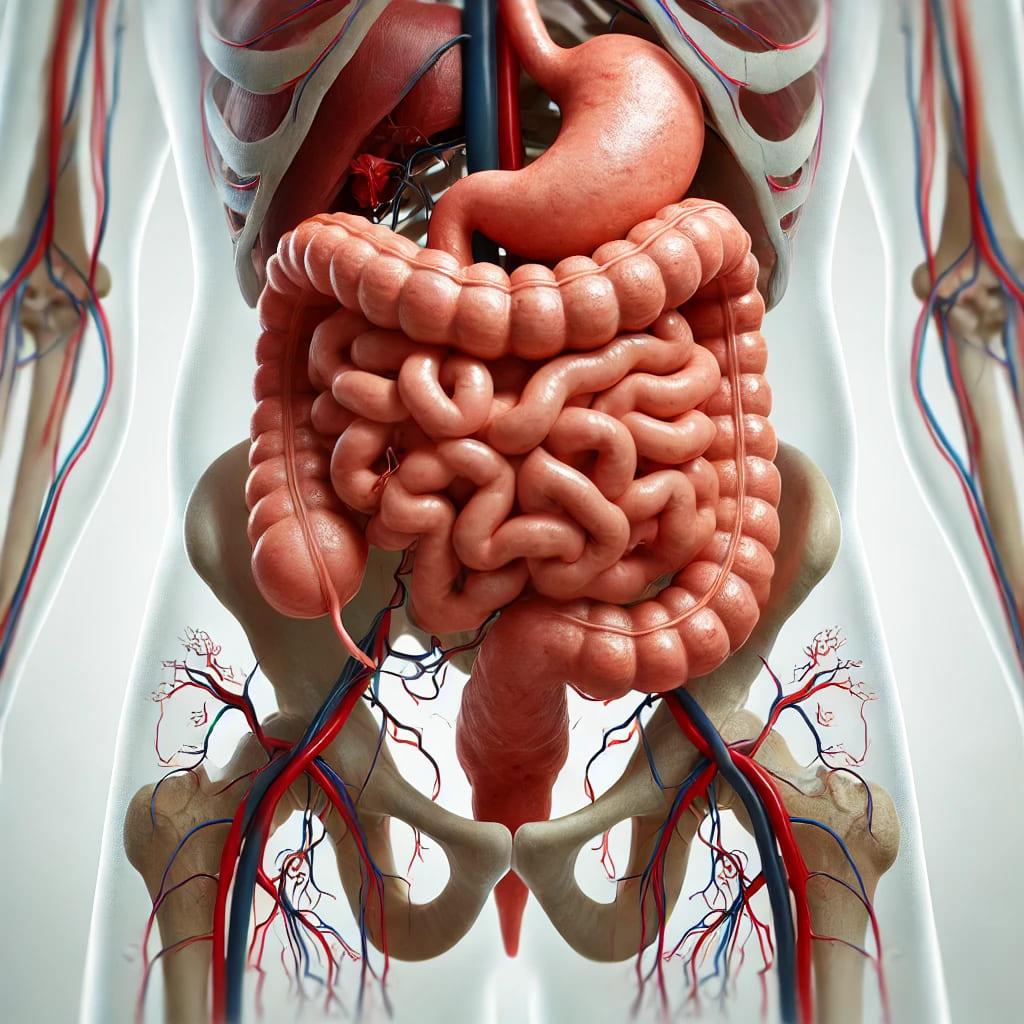
Rectal administration, often called plugging, is a method of introducing substances into the body through the rectum, which is part of the gastrointestinal (GI) tract. Although it might sound unconventional, this enteral route is used in clinical settings — and it’s also studied in research related to drug absorption, bioavailability, and harm reduction.
This article explains how rectal administration works, what to consider, and how to apply harm reduction principles for scientific understanding.
🔬 What Is the Enteral or Rectal Route?
Rectal (enteral) administration involves introducing a dissolved or semi-solid substance into the rectum, where it is absorbed by the rectal mucosa. This route bypasses part of the liver’s first-pass metabolism, meaning bioavailability is often higher than oral use.
Key Features:
- Faster onset than oral (10–30 min)
- Higher absorption rate than swallowing for some substances
- Useful for compounds destroyed in the stomach or GI tract
⚙️ How It Works in the Body
Once a solution or gel is introduced into the rectum:
- It contacts the mucosal lining.
- Active ingredients are absorbed through the dense capillary network.
- The substance enters the bloodstream, partially bypassing liver metabolism.
- Effects are typically felt within 10–30 minutes.
💊 Which Forms Are Suitable?
Not all drugs are suitable for rectal administration. Here’s what works best:
✅ Suitable Forms:
- Water-soluble powders dissolved in sterile water
- Solutions prepared with pharmaceutical-grade solvents (e.g. saline)
- Suppositories (solidified at room temp, melt in body)
🚫 Not Suitable:
- Freebase forms (unless converted to a soluble salt)
- Oils or undissolved powders (risk of damage and poor absorption)
- Irritants (check pH and solubility)
⚠️ Always verify solubility in water or saline and adjust pH if needed.
📏 How to Dose Correctly (for Research)
General Guidelines:
- Use less than oral dose due to higher bioavailability (start with ~⅔)
- Prepare a solution with distilled or sterile water (never tap water)
- Use a syringe without a needle (oral/rectal syringe preferred)
- Dosage is usually measured in mg, based on compound and body weight
📘 Example: If 20mg orally is standard, 10–15mg rectally may be effective.
🧪 Step-by-Step: Plugging Safely
This is for educational purposes only.
This route is used in hospitals and lab models.
We do not endorse or encourage use.
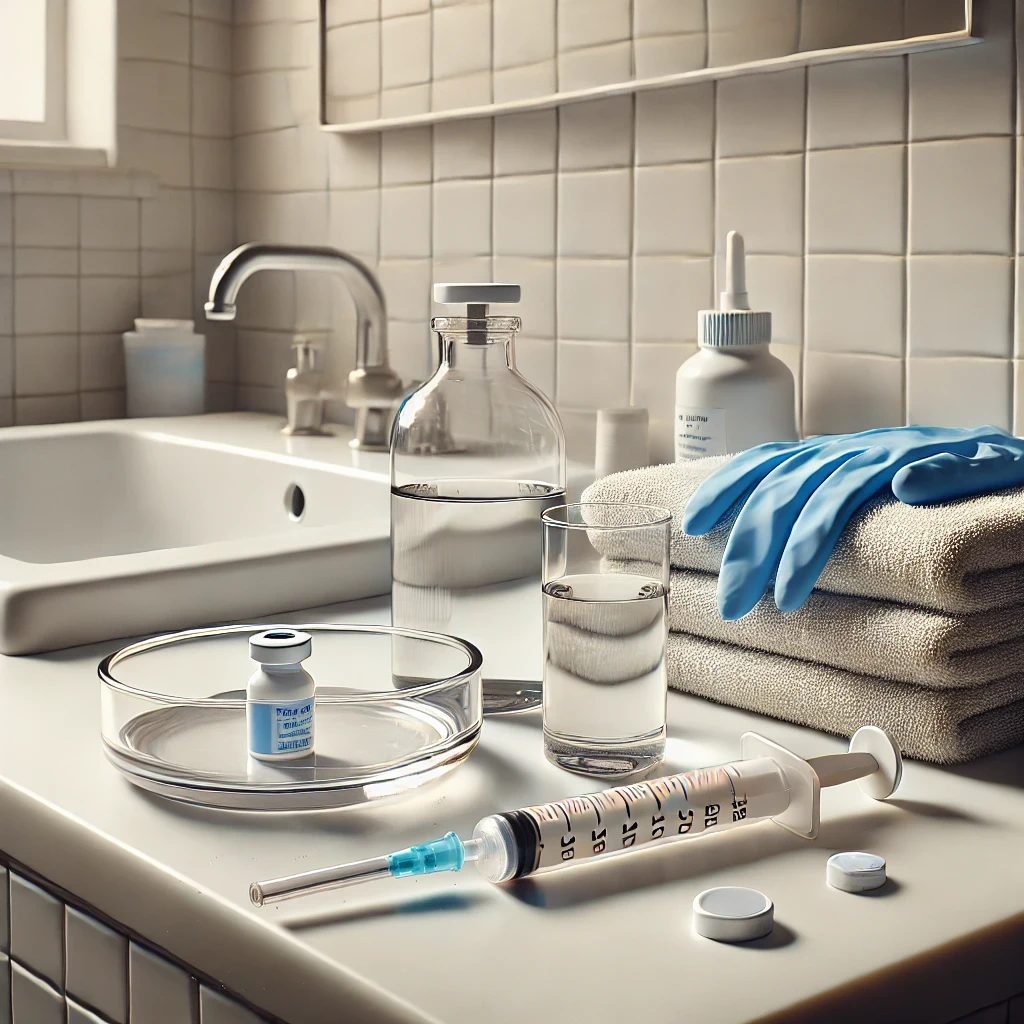
Materials:
- Water-soluble compound
- Distilled or sterile water
- Oral/rectal syringe (1–5 ml)
- Lubricant (water-based, non-irritant)
- Gloves, clean space, bathroom access
Steps:
- Wash hands and sanitize the area.
- Dissolve the substance in a small amount of warm sterile water.
- Draw the solution into the syringe.
- Apply a small amount of lube to the tip of the syringe and rectum.
- Lie down on your side (left side is standard) and gently insert the syringe.
- Push slowly and hold for 10–15 minutes for full absorption.
🛡️ Harm Reduction Tips
- ✅ Always test solubility first
- ✅ Use sterile water or saline
- ✅ Label syringes clearly
- ✅ Clean all materials thoroughly
- ✅ Never plug caustic, acidic, or insoluble substances
- ✅ Don’t exceed 2-3 ml of solution
Plugging large volumes can cause leakage or poor absorption.
❌ Myths and Clarifications
| Myth | Reality |
|---|---|
| Plugging is dangerous or dirty | It’s a medical route with proper hygiene |
| It doesn’t work well | It can be more efficient than oral in some cases |
| You need a big syringe | Small volumes (1–3 ml) are enough |
| It burns no matter what | Only if the substance is acidic or not properly dissolved |
📋 Quick Comparison Chart
| Route | Onset | Bioavailability | Notes |
|---|---|---|---|
| Oral | 30–90 min | Medium/Low | Slow onset, liver metabolism |
| Rectal | 10–30 min | Medium/High | Fast onset, bypasses first-pass |
| Intranasal | 5–15 min | Medium/High | Irritation risk |
| IV | 0–5 min | 100% | Not suitable for most RCs |

When you feel the effect, and it is too strong, sit down on your WC and press the stuff out!
It is best to keep a second syringe or a small bottle of soft plastic (can be used for plugging as well) with 20…50…100 ml water; put the water in your rectum, then press the liquid out! This method can save you from a bad trip or the emergency room. Worked for me well a few times!
Additional: Substances which are not completely soluble will work nevertheless, maybe rather slowly!
Thanks a lot for sharing your experience and practical harm reduction tip — that’s genuinely helpful and might make a difference for others exploring this topic for research and informational purposes.
Using a second syringe with water as an “emergency flush” is a clever method to reduce intensity if the effects become overwhelming. It aligns with medical practices where rectal evacuation is used to halt absorption when needed.
And yes — you’re also right that some substances with low solubility may still absorb, although more slowly and inconsistently. That’s why it’s important to always test solubility beforehand, and ideally use fully dissolved solutions for more predictable outcomes.
We always encourage readers to share thoughtful, respectful info like this — all aimed at harm reduction, awareness, and responsible research.
Stay safe and curious! 🧪
I find that by using this method the duration of the effects are similar if not longer than oral administration. This is my favorite ROA for its efficiency, with no effects on the lungs or sinuses.
Been boofing almost everything since two months. It’s so freakin great. Benzos / prega / Phenibut hypothetically boofed late lasts all of the next day ! We love it : Let it come on but when it’s riding, man ! It is ALWAYS worth a shot
A few words of caution about rectal drugs and anatomy:
some drugs are very insoluble in water and other solvents; others drugs are lipophilic – dissolve well in fats like cocoa butter. Some meds, when taken orally in pill or capsule form, take a real beating when passing through the gut. They’re exposed to enzymes like CYP1A2 and UGT1A1, then go through the liver. By the time these drugs make it through to the small intestine, they’ve been significantly changed but these “remnants “ can still be therapeutic.
Their manufactures factor these metabolic changes into their labeled dosage strength
Drugs delivered via suppository, however, don’t go through these “first pass” metabolic changes. They are taken up within 10 minutes or more by the lower and middle rectal veins, transported to the inferior vena cava and then go into direct systemic distribution throughout the body.
And then there are the “odd” drugs like niclosamide – a WHO “Essential Medication”, globally used for treating tapeworms. Dozens of research centers and Big Pharma labs are currently trying to “repurpose” niclosamide as a possible treatment for Covid-19, various cancers, dengue fever, Chikungunya, lymphoma and more. They have published credible journal reports of successfully stopping the above mentioned diseases in cell cultures or hamsters and mice.
The next step – in vivo”: dosing trial groups of humans – has been less successful. Niclosamide is so vexingly insoluble, their main efforts are attempts to chemically change the drug, nanotechnology, thin film freezing and more. Their goal – a digestible, inhalable, digestible, or injectable medication has eluded them.
Judging by journal studies on niclosamide, rectal delivery has not been attempted.
Can a research pharmaceutical firm make big profits on an off-patent drug, delivered by a route people dislike? Unlikely. And the uptake of rectal niclosamide could vary. If a patient is horizontal after suppository placement, much of the dose could migrate to the superior rectal vein and into the liver.
Thank you for your thoughtful and detailed comment — it’s great to see such awareness of both pharmacology and practical application.
You’re absolutely right about the complexities of solubility and how drug delivery routes can dramatically affect pharmacokinetics. The first-pass metabolism issue you mentioned is a key reason why some compounds perform poorly when taken orally, and why rectal administration can sometimes offer a more efficient alternative — particularly when absorption occurs via the lower and middle rectal veins, bypassing the liver.
The points about lipophilic drugs, suppository bases, and even physical positioning after insertion are spot-on. Rectal uptake can indeed vary depending on the absorption site and retention time — something that’s often overlooked in both medical and research settings.
Your example of niclosamide is especially relevant. Despite its promising potential in a wide range of therapeutic areas — from antiparasitic to antiviral and anticancer applications — its poor solubility and bioavailability have made systemic delivery a persistent challenge. As you noted, most research has focused on oral or novel delivery systems, with very little attention given to rectal administration, even though it could theoretically bypass some of the bioavailability issues.
You’re also right to raise the commercial angle — off-patent drugs and less “marketable” delivery routes often receive less investment, even when the science supports their use.
All in all, your insights are much appreciated and very much in line with current scientific literature. Thank you for contributing such a well-informed perspective — we always welcome thoughtful discussion that helps push forward both harm reduction and research awareness.
Me, personally, I find plugging very similar to insufflating in terms of the basic mechanics – both work through contact with a mucous membrane. But plugging has one obvious advantage: it doesn’t burn your nose like insufflation can. And, as a bonus, you don’t have to worry about accidentally walking around in public with “white moustache” residue on your face, or doing that gross, obvious post-snort sniffing.
Cons are you need to find a toilet if you’re in public. Snorting not necessarily. You also always carry a wallet with some cash to roll and credit card to crush, but syringe? Imagine you’d drop it out of your back pocket while waiting for the bus with people around.
True story – once I was so drunk, I was asked by a stranger for a lighter to light up her cig, so I reached into my pocket, handed the lighter to her, and she asked why am I holding a syringe… yeah..
😂 Thanks for sharing that story — it definitely gave us a laugh! We can just imagine the confusion on that stranger’s face.
You also make a good point about the practical differences between the two routes. Plugging and insufflation both rely on absorption through mucous membranes, but each has its own advantages and drawbacks.
One thing we’d add is that plugging is generally not a route that’s practical “on the go.” It’s much better suited to a private, clean, and comfortable environment, where proper hygiene and preparation are possible. Trying to do it in public or while out and about isn’t practical and certainly isn’t ideal from a harm reduction perspective.
Thanks again for contributing to the discussion—and for the entertaining real-life story! 😄