

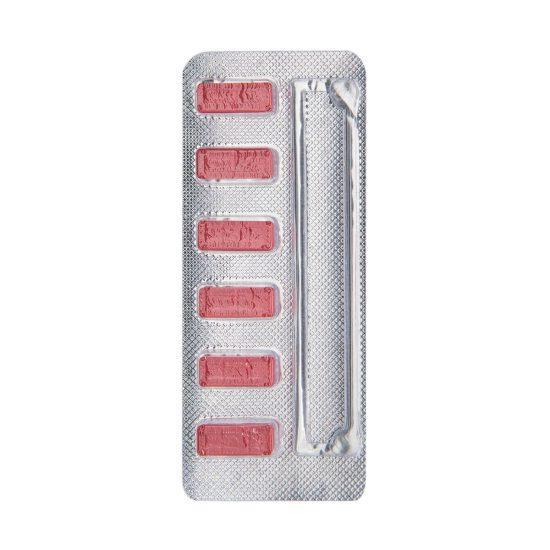
Anaridex is a film-coated oral tablet containing Anastrozole 1 mg, manufactured by Healing Pharma India Pvt. Ltd.Anastrozole is a potent, highly selective, third-generation non-steroidal aromatase inhibitor. It is a cornerstone of endocrine therapy for hormone receptor-positive breast cancer in postmenopausal women, both in the adjuvant (post-surgery) setting and for advanced/metastatic disease.
Anastrozole acts by inhibiting the aromatase enzyme (CYP19A1), which is responsible for the peripheral conversion of androgens (androstenedione and testosterone) into oestrogens (oestrone and oestradiol). In postmenopausal women, this peripheral aromatisation is the primary source of circulating oestrogen. By profoundly suppressing oestrogen biosynthesis, Anastrozole deprives oestrogen-dependent breast cancer cells of a critical growth signal.
Anastrozole was first approved in the 1990s and has since become established as first-line endocrine therapy based on large-scale randomised trials (e.g., ATAC trial) demonstrating superior disease-free survival compared with tamoxifen in early breast cancer. Anaridex 1 mg tablets provide a cost-effective generic alternative to the reference product, manufactured under Indian regulatory standards.
Chemical Information
- Chemical Name: 2,2′-[5-(1H-1,2,4-triazol-1-ylmethyl)-1,3-phenylene]bis(2-methylpropanenitrile)
- Molecular Formula: C₁₇H₁₉N₅
- Molecular Weight: 293.37 g/mol
- CAS Number: 120511-73-1
- Chemical Class: Triazole derivative (non-steroidal aromatase inhibitor)
- Structural Characteristics: Anastrozole contains a central 1,3-disubstituted benzene ring with two 2-cyanoprop-2-yl groups and a 1,2,4-triazole ring attached via a methylene linker. The triazole nitrogen coordinates to the heme iron of the aromatase enzyme, mediating potent, reversible competitive inhibition. Unlike steroidal aromatase inhibitors (e.g., exemestane), Anastrozole does not possess a steroid backbone and is not an irreversible (suicide) inhibitor.
Anastrozole is a white to off-white crystalline powder, practically insoluble in water but freely soluble in organic solvents. The 1 mg tablet is formulated with standard excipients for oral administration.
Mechanism of Action
Anastrozole is a reversible, competitive inhibitor of the aromatase enzyme (CYP19A1). Aromatase is a microsomal cytochrome P450 enzyme complex that catalyses the aromatisation of androgens (androstenedione → oestrone, testosterone → oestradiol). It is expressed in peripheral tissues including adipose tissue, liver, muscle, skin, and breast tissue, as well as in breast tumour cells themselves.
- Binding: The triazole ring of Anastrozole coordinates with the ferric iron (Fe³⁺) of the heme prosthetic group in the aromatase active site, competitively displacing the natural substrate.
- Selectivity: Anastrozole is highly selective for aromatase. At therapeutic doses (1 mg/day), it does not significantly inhibit other CYP enzymes involved in adrenal steroidogenesis (e.g., CYP11A1, CYP11B1, CYP17, CYP21), so cortisol and aldosterone synthesis are unaffected. However, minor effects on adrenal androgen levels have been observed in some studies.
- Oestrogen suppression: In postmenopausal women, a 1 mg daily dose reduces circulating oestradiol levels by approximately 80–90% from baseline, reaching near-maximal suppression within 2–4 days. This is as effective as surgical adrenalectomy in reducing oestrogen exposure.
Because Anastrozole does not have partial agonist activity (unlike tamoxifen) and does not affect oestrogen receptors directly, it acts purely by reducing oestrogen production. This makes it effective only in oestrogen-dependent tumours (ER-positive and/or PR-positive) and only in postmenopausal women, where ovarian oestrogen production has ceased.
Pharmacological Effects
In-Vitro Findings
- Anastrozole inhibits recombinant human aromatase with nanomolar potency (IC₅₀ ~15 nM).
- In MCF-7 and other oestrogen-dependent breast cancer cell lines, Anastrozole treatment in the presence of androgens (substrates) blocks oestrogen synthesis and suppresses proliferation.
- It shows minimal cross-reactivity with other steroidogenic enzymes, confirming its high selectivity.
Animal Findings
- In ovariectomised rodent models supplemented with androstenedione (to simulate postmenopausal physiology), Anastrozole reduces circulating oestradiol and inhibits the growth of oestrogen-dependent tumour xenografts.
- Preclinical safety studies showed no unexpected target organ toxicities beyond those attributable to oestrogen deprivation, such as effects on bone density.
Human Clinical Evidence
Anastrozole has been evaluated in numerous large, randomised, controlled trials. Key findings include:
- Early breast cancer (adjuvant therapy): The ATAC (Arimidex, Tamoxifen, Alone or in Combination) trial demonstrated that Anastrozole significantly improved disease-free survival compared to tamoxifen in postmenopausal women with early-stage, hormone receptor-positive breast cancer. At 10-year follow-up, Anastrozole showed a sustained benefit with lower rates of thromboembolic events and endometrial cancer but higher rates of arthralgia and bone fractures.
- Advanced/metastatic breast cancer: As first-line therapy, Anastrozole produces objective response rates of 30–40% and clinical benefit rates exceeding 60% in receptor-positive tumours, with median time to progression of approximately 8–11 months.
- Neoadjuvant setting: Anastrozole reduces tumour size before surgery in oestrogen-receptor-positive tumours, sometimes enabling breast-conserving surgery.
Dosage
Anastrozole is prescribed at a single standard dose.Export
| Indication | Dose | Frequency | Notes |
|---|---|---|---|
| Adjuvant treatment of early hormone receptor-positive breast cancer in postmenopausal women | 1 mg | Once daily | Continue for 5 years (or up to 10 years) depending on individual risk and tolerability. |
| First-line treatment of advanced/metastatic hormone receptor-positive breast cancer in postmenopausal women | 1 mg | Once daily | Continue until disease progression or unacceptable toxicity. |
Administration: Anaridex 1 mg tablet is taken orally once daily, with or without food. Tablets should be swallowed whole with water. Consistent daily dosing is important to maintain sustained oestrogen suppression.
Missed dose: If a dose is missed, it should be taken as soon as remembered, unless it is close to the next scheduled dose. Double dosing should be avoided.
Pharmacokinetics
- Absorption: Anastrozole is rapidly and well absorbed after oral administration. Peak plasma concentrations are reached within 2 hours (fasting). Food slightly delays but does not meaningfully alter the extent of absorption.
- Distribution: Anastrozole is approximately 40% bound to plasma proteins. It distributes extensively into peripheral tissues, including breast tissue and tumour sites.
- Metabolism: Anastrozole undergoes hepatic metabolism primarily via N-dealkylation, hydroxylation, and glucuronidation. CYP3A4 and CYP3A5, as well as UGT1A4, are involved. The main circulating metabolite is inactive.
- Half-life: Approximately 40–50 hours. Steady-state plasma concentrations are achieved after 7–10 days of daily dosing, consistent with once-daily administration.
- Elimination: Metabolites are excreted mainly in urine (approximately 85%) and to a lesser extent in faeces (approximately 10%). Less than 10% of the dose is excreted as unchanged drug.
Special Populations
- Renal impairment: No dose adjustment is required for mild to moderate renal impairment. Data are limited in severe renal impairment, but Anastrozole clearance is not significantly altered.
- Hepatic impairment: Dose adjustment is not required for mild to moderate hepatic impairment. Caution is advised in severe hepatic impairment; serum oestrogen suppression should be monitored.
- Elderly: No age-related dose adjustments are needed.
Side Effects and Safety
Anastrozole is generally well tolerated, but side effects reflect the consequences of profound oestrogen deprivation.
Common Adverse Effects
- Musculoskeletal: Arthralgia (joint pain/stiffness) – the most frequent complaint, occurring in up to 35% of patients. Varies from mild to severe; can be managed with analgesics, exercise, or in some cases a switch to an alternative aromatase inhibitor.
- Vasomotor symptoms: Hot flushes and night sweats (20–30%), similar to menopausal symptoms.
- Bone health: Accelerated bone loss due to oestrogen deficiency leads to osteopenia/osteoporosis and an increased fracture risk. Baseline and periodic bone mineral density scans are recommended. Bisphosphonate or denosumab therapy may be indicated.
- Vaginal dryness and dyspareunia: Common and often manageable with topical vaginal oestrogen preparations (where considered safe) or non-hormonal lubricants.
- Fatigue and asthenia: Mild to moderate fatigue is common in the first months of therapy.
- Mood changes and depression have been reported, possibly related to oestrogen withdrawal.
- Gastrointestinal: Nausea, diarrhoea, and constipation are occasionally seen.
Serious Adverse Effects
- Osteoporotic fractures: Hip, spine, wrist fractures; risk increases with duration of therapy.
- Cardiovascular effects: Aromatase inhibitors are associated with a modest increase in cardiovascular events (ischaemic heart disease) compared with tamoxifen, possibly because tamoxifen has a more favourable effect on lipid profiles. Individual cardiovascular risk should be assessed before and during therapy.
- Hepatotoxicity: Mild, transient transaminase elevation occurs in some patients; severe hepatitis is rare.
Contraindications
- Pre-menopausal women (ovarian oestrogen production is not inhibited by aromatase inhibitors; ineffective as monotherapy).
- Pregnancy and lactation (teratogenic potential, not indicated).
- Severe renal or hepatic impairment (caution, limited data).
- Known hypersensitivity to Anastrozole or any excipient.
Dependence, Tolerance and Withdrawal
Anastrozole has no abuse potential, no dependence, and no withdrawal syndrome. Discontinuation is not associated with a pharmacological withdrawal; however, oestrogen levels rise rapidly upon stopping, which may impact tumour growth in hormone-sensitive disease. Treatment should only be discontinued on medical advice.
Drug Interactions
- Oestrogen-containing therapies: Concomitant use of hormone replacement therapy (HRT) or oestrogen-containing contraceptives would counteract the pharmacological effect of Anastrozole and is contraindicated.
- Tamoxifen: Co-administration with tamoxifen does not improve efficacy (per ATAC trial) and is not recommended outside clinical trial settings.
- CYP inducers/inhibitors: No clinically significant interactions have been identified; Anastrozole does not significantly inhibit major CYP isoforms.
Legal and Regulatory Status
- India: Anaridex is a Schedule H prescription drug, available only against a valid prescription from a registered medical practitioner. It is not available over the counter.
- Global: Anastrozole is approved in most countries for the treatment of hormone receptor-positive breast cancer in postmenopausal women, as adjuvant and metastatic therapy. It is available as a generic medicine.
Research Applications
Anastrozole continues to be studied for:
- Prevention: The International Breast Cancer Intervention Study (IBIS-II) demonstrated that Anastrozole reduces the incidence of breast cancer in high-risk postmenopausal women. Ongoing research examines optimal duration and patient selection.
- Male breast cancer: Off-label use as an aromatase inhibitor in conjunction with GnRH agonists in hormone-sensitive male breast cancer; limited data but growing evidence.
- Short stature in paediatrics: Aromatase inhibitors have been used to delay epiphyseal fusion in boys with short stature or constitutional delay of growth; this is strictly investigational.
- Oestrogen-dependent gynaecological disorders: Endometriosis and uterine fibroids have been studied, but aromatase inhibitors are not standard therapy.
Conclusion
Anaridex (Anastrozole 1 mg tablets) manufactured by Healing Pharma is a potent, selective, non-steroidal aromatase inhibitor that profoundly suppresses oestrogen synthesis in postmenopausal women. It is a standard-of-care endocrine therapy for hormone receptor-positive breast cancer, with superior disease-free survival compared to tamoxifen in early-stage disease. The once-daily 1 mg dose provides sustained oestrogen suppression with predictable pharmacokinetics. Arthralgia and bone loss are the most clinically significant side effects, reflecting oestrogen deprivation. Anaridex is a Schedule H prescription medicine in India and should be used exclusively under specialist supervision, with appropriate bone health monitoring.

Reviews
There are no reviews yet.