
⚠️ Avviso
Questo articolo è solo a scopo informativo e scientifico.
Vendiamo prodotti chimici per la ricerca destinati esclusivamente all'uso in laboratorio, non per il consumo umano.
Non promuoviamo, incoraggiamo o giustifichiamo l'uso di alcuna sostanza in alcun modo.
Si prega di fare riferimento alle leggi e alle linee guida mediche del proprio paese prima di condurre qualsiasi forma di ricerca.
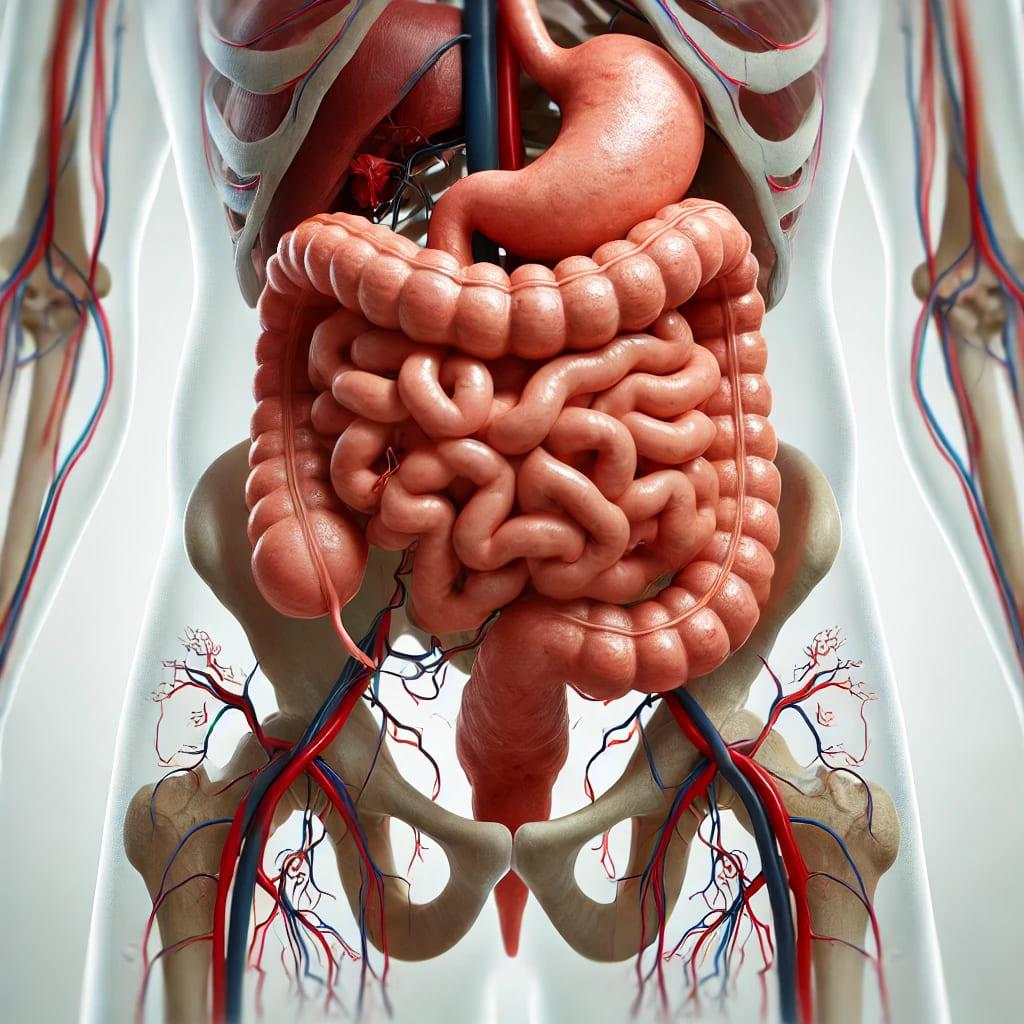
Somministrazione rettale, spesso chiamato plugging, è un metodo per introdurre sostanze nel corpo attraverso il retto, che fa parte del tratto gastrointestinale (GI). Anche se potrebbe sembrare non convenzionale, questo via enterale è utilizzata in ambito clinico — ed è anche studiata nella ricerca correlata all'assorbimento dei farmaci, alla biodisponibilità e alla riduzione del danno.
Questo articolo spiega come funziona la somministrazione rettale, cosa considerare e come applicare i principi di riduzione del danno per la comprensione scientifica.
🔬 Cos'è la via enterale o rettale?
La somministrazione rettale (enterale) comporta l'introduzione di una sostanza disciolta o semisolida nel retto, dove viene assorbita dalla mucosa rettale. Questa via bypassa parte del fegato metabolismo di primo passaggio, ovvero la biodisponibilità è spesso più elevata rispetto all'uso orale.
Caratteristiche principali:
- Inizio più rapido rispetto all'orale (10–30 min)
- Tasso di assorbimento più elevato rispetto alla deglutizione per alcune sostanze
- Utile per composti distrutti nello stomaco o nel tratto gastrointestinale
⚙️ Come funziona nel corpo
Una volta che una soluzione o un gel viene introdotto nel retto:
- Entra in contatto con il rivestimento mucosale.
- I principi attivi vengono assorbiti attraverso il fitta rete capillare.
- La sostanza entra nel flusso sanguigno, parzialmente bypassando il metabolismo epatico.
- Gli effetti si avvertono tipicamente entro 10–30 minuti.
💊 Quali forme sono adatte?
Non tutti i farmaci sono adatti per la somministrazione rettale. Ecco cosa funziona meglio:
✅ Forme adatte:
- Idrosolubile Polveri disciolte in acqua sterile
- Soluzioni preparate con solventi di grado farmaceutico (es. soluzione fisiologica)
- Supposte (solidificato a temperatura ambiente, si scioglie nel corpo)
🚫 Non adatto:
- Forme freebase (a meno che non vengano convertite in un sale solubile)
- Oli o polveri non disciolte (rischio di danni e scarso assorbimento)
- Irritanti (controllare pH e solubilità)
⚠️ Verificare sempre solubilità in acqua o soluzione salina e regolare il pH se necessario.
📏 Come dosare correttamente (per la ricerca)
Linee guida generali:
- Usa inferiore alla dose orale a causa della maggiore biodisponibilità (iniziare con ~⅔)
- Preparare una soluzione con acqua distillata o sterile (mai acqua del rubinetto)
- Usa una siringa senza ago (siringa orale/rettale preferita)
- Il dosaggio è solitamente misurato in mg, in base al composto e al peso corporeo
📘 Esempio: Se 20 mg per via orale sono lo standard, 10–15 mg per via rettale possono essere efficaci.
🧪 Step-by-Step: Plugging Safely
This is for educational purposes only.
This route is used in hospitals and lab models.
Noi not sostenere o incoraggiare l'uso.
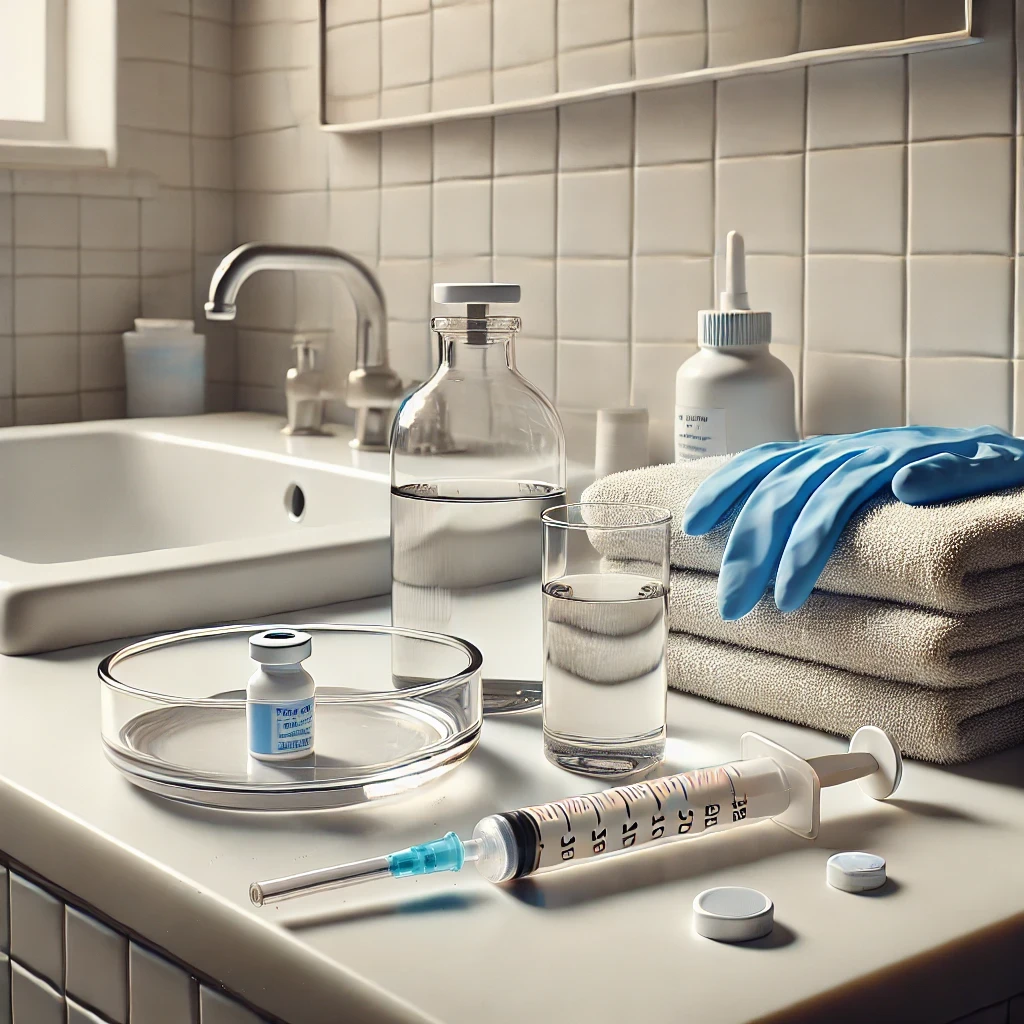
Materiali:
- Composto idrosolubile
- Acqua distillata o sterile
- Siringa orale/rettale (1–5 ml)
- Lubricant (water-based, non-irritant)
- Gloves, clean space, bathroom access
Steps:
- Wash hands and sanitize the area.
- Sciogliere la sostanza in una piccola quantità di acqua sterile tiepida.
- Aspirare la soluzione nella siringa.
- Applicare un small amount of lube to the tip of the syringe and rectum.
- Lie down on your side (left side is standard) and gently insert la siringa.
- Spingere lentamente e tenere per 10–15 minuti per un completo assorbimento.
🛡️ Consigli per la riduzione del danno
- ✅ Testare sempre prima la solubilità
- ✅ Usare acqua sterile o soluzione fisiologica
- ✅ Etichettare chiaramente le siringhe
- ✅ Pulire accuratamente tutti i materiali
- ✅ Mai iniettare sostanze caustiche, acide o insolubili
- ✅ Don’t exceed 2-3 ml of solution
Plugging large volumes can cause leakage or poor absorption.
❌ Myths and Clarifications
| Myth | Reality |
|---|---|
| Plugging is dangerous or dirty | It’s a medical route with proper hygiene |
| It doesn’t work well | It can be more efficient than oral in some cases |
| Hai bisogno di una siringa grande | Piccoli volumi (1–3 ml) sono sufficienti |
| Brucia in ogni caso | Solo se la sostanza è acida o non è adeguatamente disciolta |
📋 Tabella di confronto rapido
| Via | Inizio | Biodisponibilità | Note |
|---|---|---|---|
| Orale | 30–90 min | Medio/Basso | Slow onset, liver metabolism |
| Rettale | 10–30 min | Medio/Alto | Fast onset, bypasses first-pass |
| Intranasale | 5–15 min | Medio/Alto | Irritation risk |
| IV | 0–5 min | 100% | Not suitable for most RCs |

When you feel the effect, and it is too strong, sit down on your WC and press the stuff out!
It is best to keep a second syringe or a small bottle of soft plastic (can be used for plugging as well) with 20…50…100 ml water; put the water in your rectum, then press the liquid out! This method can save you from a bad trip or the emergency room. Worked for me well a few times!
Additional: Substances which are not completely soluble will work nevertheless, maybe rather slowly!
Grazie mille per aver condiviso la tua esperienza e il consiglio pratico di riduzione del danno — è davvero utile e potrebbe fare la differenza per altri che esplorano questo argomento a scopo di ricerca e informazione.
Usare una seconda siringa con acqua come “lavaggio d'emergenza” è un metodo intelligente per ridurre l'intensità se gli effetti diventano opprimenti. È in linea con le pratiche mediche in cui l'evacuazione rettale viene utilizzata per fermare l'assorbimento quando necessario.
E sì — hai anche ragione che alcune sostanze con bassa solubilità possono comunque essere assorbite, anche se più lentamente e in modo irregolare. Ecco perché è importante testare sempre la solubilità in anticipo e, idealmente, usare soluzioni completamente disciolte per risultati più prevedibili.
Incoraggiamo sempre i lettori a condividere informazioni ponderate e rispettose come queste — tutte mirate alla riduzione del danno, alla consapevolezza e alla ricerca responsabile.
Rimani al sicuro e curioso! 🧪
Trovo che usando questo metodo la durata degli effetti sia simile se non più lunga rispetto alla somministrazione orale. Questa è la mia via di somministrazione preferita per la sua efficienza, senza effetti sui polmoni o sui seni nasali.
Sono due mesi che mi faccio di tutto per via rettale. È dannatamente fantastico. Benzodiazepine / pregabalin / Phenibut ipoteticamente assunti per via rettale a tarda ora durano per tutto il giorno successivo! Lo adoriamo: lascia che salga, ma quando è in pieno effetto, amico! Vale SEMPRE la pena provarci
Alcune avvertenze sui farmaci per via rettale e l'anatomia:
alcuni farmaci sono molto insolubili in acqua e altri solventi; altri farmaci sono lipofili – si dissolvono bene nei grassi come il burro di cacao. Alcuni medicinali, se assunti per via orale in compresse o capsule, subiscono un vero e proprio stress durante il passaggio attraverso l'intestino. Sono esposti a enzimi come CYP1A2 e UGT1A1, per poi passare attraverso il fegato. Quando questi farmaci arrivano all'intestino tenue, sono stati modificati in modo significativo, ma questi “residui“ possono ancora essere terapeutici.
I produttori tengono conto di questi cambiamenti metabolici nel dosaggio indicato sull'etichetta
Drugs delivered via suppository, however, don’t go through these “first pass” metabolic changes. They are taken up within 10 minutes or more by the lower and middle rectal veins, transported to the inferior vena cava and then go into direct systemic distribution throughout the body.
And then there are the “odd” drugs like niclosamide – a WHO “Essential Medication”, globally used for treating tapeworms. Dozens of research centers and Big Pharma labs are currently trying to “repurpose” niclosamide as a possible treatment for Covid-19, various cancers, dengue fever, Chikungunya, lymphoma and more. They have published credible journal reports of successfully stopping the above mentioned diseases in cell cultures or hamsters and mice.
The next step – in vivo”: dosing trial groups of humans – has been less successful. Niclosamide is so vexingly insoluble, their main efforts are attempts to chemically change the drug, nanotechnology, thin film freezing and more. Their goal – a digestible, inhalable, digestible, or injectable medication has eluded them.
Judging by journal studies on niclosamide, rectal delivery has not been attempted.
Can a research pharmaceutical firm make big profits on an off-patent drug, delivered by a route people dislike? Unlikely. And the uptake of rectal niclosamide could vary. If a patient is horizontal after suppository placement, much of the dose could migrate to the superior rectal vein and into the liver.
Thank you for your thoughtful and detailed comment — it’s great to see such awareness of both pharmacology and practical application.
You’re absolutely right about the complexities of solubility and how drug delivery routes can dramatically affect pharmacokinetics. The first-pass metabolism issue you mentioned is a key reason why some compounds perform poorly when taken orally, and why rectal administration can sometimes offer a more efficient alternative — particularly when absorption occurs via the lower and middle rectal veins, bypassing the liver.
The points about lipophilic drugs, suppository bases, and even physical positioning after insertion are spot-on. Rectal uptake can indeed vary depending on the absorption site and retention time — something that’s often overlooked in both medical and research settings.
Your example of niclosamide is especially relevant. Despite its promising potential in a wide range of therapeutic areas — from antiparasitic to antiviral and anticancer applications — its poor solubility and bioavailability have made systemic delivery a persistent challenge. As you noted, most research has focused on oral or novel delivery systems, with very little attention given to rectal administration, even though it could theoretically bypass some of the bioavailability issues.
You’re also right to raise the commercial angle — off-patent drugs and less “marketable” delivery routes often receive less investment, even when the science supports their use.
All in all, your insights are much appreciated and very much in line with current scientific literature. Thank you for contributing such a well-informed perspective — we always welcome thoughtful discussion that helps push forward both harm reduction and research awareness.
Me, personally, I find plugging very similar to insufflating in terms of the basic mechanics – both work through contact with a mucous membrane. But plugging has one obvious advantage: it doesn’t burn your nose like insufflation can. And, as a bonus, you don’t have to worry about accidentally walking around in public with “white moustache” residue on your face, or doing that gross, obvious post-snort sniffing.
Cons are you need to find a toilet if you’re in public. Snorting not necessarily. You also always carry a wallet with some cash to roll and credit card to crush, but syringe? Imagine you’d drop it out of your back pocket while waiting for the bus with people around.
True story – once I was so drunk, I was asked by a stranger for a lighter to light up her cig, so I reached into my pocket, handed the lighter to her, and she asked why am I holding a syringe… yeah..
😂 Thanks for sharing that story — it definitely gave us a laugh! We can just imagine the confusion on that stranger’s face.
You also make a good point about the practical differences between the two routes. Plugging and insufflation both rely on absorption through mucous membranes, but each has its own advantages and drawbacks.
One thing we’d add is that plugging is generally not a route that’s practical “on the go.” It’s much better suited to a private, clean, and comfortable environment, where proper hygiene and preparation are possible. Trying to do it in public or while out and about isn’t practical and certainly isn’t ideal from a harm reduction perspective.
Thanks again for contributing to the discussion—and for the entertaining real-life story! 😄